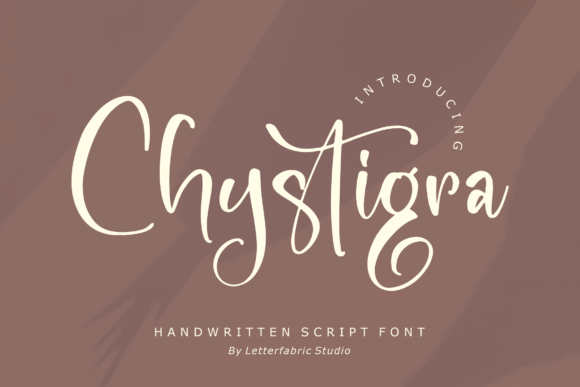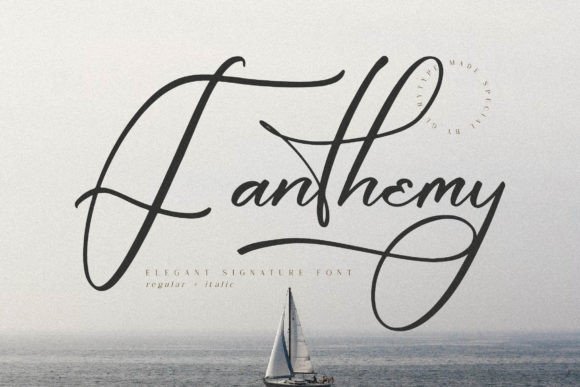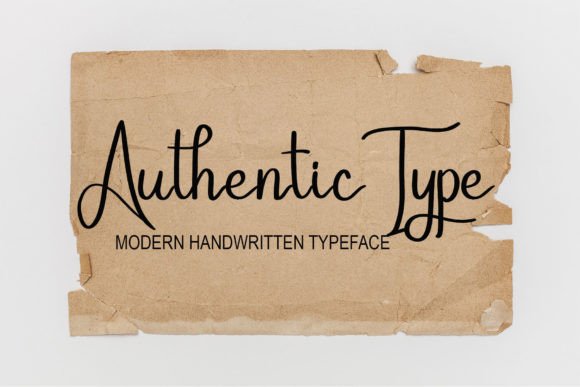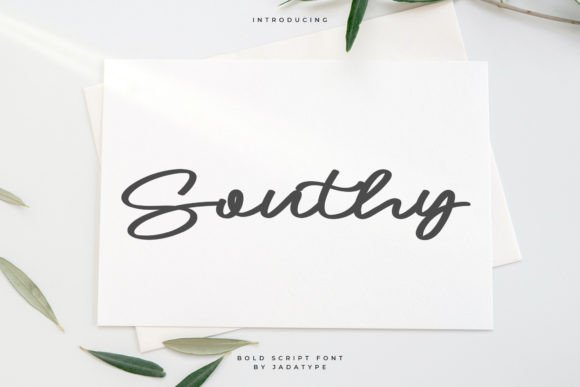
The Timeless Allure of Handwritten Writing in Modern Design
In an era dominated by digital communication, the charm of handwritten writing remains as captivating as ever. There's something undeniably personal and authentic about the flowing strokes of a pen on paper. Whether it's a love note, a thank you card, or a business logo, the presence of handwritten elements adds warmth, character, and a human touch that no font can replicate.
The Essence of Handwritten Writing
Handwritten writing is more than just ink on paper; it's a reflection of individuality. Each person's handwriting is unique, shaped by their personality, emotions, and even mood at the time of writing. This distinctiveness makes it a powerful tool for personal expression and connection.
From the elegant cursive of a calligrapher to the casual scrawl of a hurried message, handwritten writing carries a sense of intimacy and sincerity that is hard to match with any digital alternative. It invites the reader to pause, engage, and feel the presence of the writer.
Why Handwritten Writing Matters
- Personal Touch: A handwritten note conveys care and effort that digital messages often lack.
- Emotional Connection: The imperfections in handwriting reflect the authenticity of the writer's thoughts and feelings.
- Memorable Impact: People tend to remember handwritten messages more vividly than typed ones.
Applications of Handwritten Writing in Design
The versatility of handwritten writing makes it suitable for a wide range of design applications. From wedding invitations to logos, its adaptability allows designers to create visually appealing and emotionally resonant content.
Wedding Invitations: Nothing says "special occasion" like a beautifully written invitation. Handwritten fonts and calligraphy elevate the aesthetic, making the event feel more personal and heartfelt.
Thank You Cards: Expressing gratitude becomes more meaningful when done by hand. A simple thank you note with a handwritten message can leave a lasting impression.
Greeting Cards: Whether it's for a birthday, holiday, or just because, greeting cards with handwritten text add a layer of thoughtfulness that is increasingly rare in today's fast-paced world.
Logos and Branding: Many brands use handwritten styles in their logos to convey a sense of approachability and creativity. It’s especially popular in industries like fashion, food, and lifestyle.
Business Cards: In a professional setting, a well-designed business card with a handwritten element can set you apart from the competition and make a memorable first impression.
Who Benefits from Handwritten Writing?
- Creative Professionals: Artists, designers, and writers often incorporate handwritten elements into their work to enhance visual appeal and emotional depth.
- Entrepreneurs: Business owners can use handwritten touches in branding materials to build trust and connect with customers on a personal level.
- Event Planners: Creating personalized invitations and signage with handwritten text helps elevate the overall experience for guests.
- Individuals: Anyone looking to add a personal touch to their correspondence, whether it's a letter, a note, or a gift tag, can benefit from using handwritten writing.
Strengths and Considerations
While handwritten writing offers many advantages, it also comes with certain considerations. Understanding these can help ensure that it is used effectively and appropriately in different contexts.
Strengths:
- Uniqueness: No two pieces of handwritten text are exactly alike, which makes them highly distinctive.
- Authenticity: Handwriting communicates sincerity and genuine emotion.
- Visual Appeal: When used creatively, handwritten elements can enhance the visual impact of a design.
Considerations:
- Legibility: While style is important, readability should never be compromised. Poorly formed handwriting can make a message difficult to understand.
- Consistency: For branding purposes, maintaining a consistent style across all materials is essential to avoid confusion.
- Time Investment: Handwriting takes more time and effort than typing, so it may not be practical for large-scale projects.
Real-World Scenarios
Let's explore some real-world examples where handwritten writing has made a significant impact:
Scenario 1: Wedding Invitation Design
A couple decides to personalize their wedding invitations with a handwritten script. They hire a calligrapher to create custom designs, ensuring that each invite feels unique and special. Guests are delighted by the attention to detail, and the event receives rave reviews for its thoughtful presentation.
Scenario 2: Business Card Redesign
A small boutique owner wants to stand out in a competitive market. She redesigns her business cards with a handwritten name and signature. The new cards become a talking point among customers, increasing brand recognition and customer loyalty.
Scenario 3: Personalized Thank You Notes
After a successful product launch, a startup founder sends out handwritten thank you notes to clients and partners. The gesture is appreciated and strengthens relationships, leading to more referrals and business opportunities.
Evaluating Suitability for Your Needs
Before incorporating handwritten writing into your project, consider the following factors:
- Purpose: What is the goal of the design? Is it to communicate information, evoke emotion, or enhance aesthetics?
- Audience: Who will be viewing the design? Will they appreciate the handwritten element, or could it be distracting?
- Context: Where will the design be used? Some settings may require a more formal or professional appearance, while others thrive on creativity and personalization.
- Budget: If hiring a calligrapher or designer, consider the cost and whether it aligns with your overall budget.
By carefully evaluating these aspects, you can determine whether handwritten writing is the right choice for your project and how best to implement it effectively.
Conclusion
Handwritten writing continues to hold a special place in our lives, offering a blend of artistry, emotion, and authenticity that is unmatched by digital alternatives. Its ability to connect people, enhance designs, and convey sincerity makes it a valuable asset in both personal and professional contexts.
Whether you're designing a wedding invitation, creating a logo, or simply sending a thank you note, the addition of handwritten elements can transform the ordinary into the extraordinary. Embrace the beauty of handwritten writing, and let it bring a unique and heartfelt touch to your next project.