Authentic Type: A Handwritten Font for Modern Design Needs
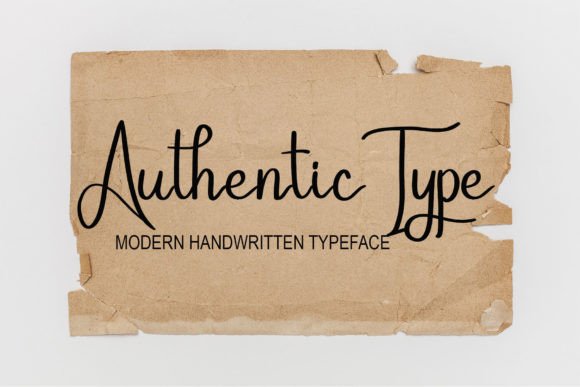
Authentic Type is a handwritten font created using a tablet, offering a unique blend of simplicity and style. Designed to mimic the natural flow of human handwriting, this font brings a personal and organic feel to digital content. Whether used for websites, wedding invitations, business cards, or advertisements, Authentic Type provides a versatile option for designers looking to add a touch of authenticity to their projects.
What Is Authentic Type?
Authentic Type is a font that simulates the look of handwriting done on a tablet. Unlike traditional typewritten fonts, it captures the subtle variations in pressure, speed, and stroke that occur when someone writes by hand. This makes it ideal for creating content that feels more personal and less mechanical.
The font's design emphasizes readability while maintaining a visually appealing aesthetic. Its clean lines and balanced structure ensure that it remains legible even in smaller sizes or at a distance. This balance between simplicity and style is what sets Authentic Type apart from other handwritten fonts.
Why Consider Authentic Type?
There are several reasons why someone might be interested in using Authentic Type. First, its handwritten appearance can make text feel more approachable and human. This is particularly useful for businesses or individuals aiming to build a connection with their audience through visual communication.
Second, Authentic Type is highly versatile. It works well across a range of mediums, from digital platforms like websites and social media to printed materials such as business cards and wedding invitations. Its adaptability makes it suitable for both casual and formal contexts.
Third, the font’s stylish yet simple design allows it to complement various color schemes and layouts without overpowering them. This makes it an excellent choice for designers who want to maintain a cohesive visual identity across different projects.
Benefits and Tradeoffs
One of the main benefits of using Authentic Type is its ability to convey a sense of authenticity and warmth. This can be especially valuable in marketing materials where the goal is to create an emotional connection with the audience. Additionally, the font's readability ensures that it remains functional even in professional settings.
However, there are also some tradeoffs to consider. Because it is a handwritten font, it may not be as suitable for long blocks of text. The variations in letterforms can sometimes make dense paragraphs harder to read, especially for those with visual impairments.
Another consideration is that Authentic Type may require additional adjustments when used in certain design contexts. For example, designers may need to tweak spacing or kerning to ensure that the text looks consistent and polished across different platforms and devices.
Situations Where Authentic Type Fits Well
Authentic Type is particularly well-suited for situations where a personal and artistic touch is desired. This includes:
- Wedding Invitations: The font's elegant and handwritten style makes it ideal for creating personalized and heartfelt invitations.
- Business Cards: Using Authentic Type on business cards can help establish a unique brand identity and make a memorable impression.
- Product Advertisements: The font can be used to highlight key messages or taglines in product ads, adding a creative flair to promotional content.
- Website Signatures: Incorporating Authentic Type into website signatures can give a professional yet personable touch to digital communications.
In these scenarios, the font's ability to convey personality and style can enhance the overall effectiveness of the design.
When Alternatives Might Be Better
While Authentic Type has many strengths, there are situations where alternative fonts may be more appropriate. For instance, if the primary goal is to ensure maximum readability for large amounts of text, a more structured and uniform font might be a better choice.
Additionally, if the project requires a highly formal or technical tone, a serif or sans-serif font could be more suitable. These fonts typically offer greater consistency in letterforms, which can be important in academic, legal, or scientific contexts.
Designers should also consider the target audience when selecting a font. If the audience prefers a more modern and minimalist aesthetic, a different font might align better with their expectations.
Practical Insights for Choosing Authentic Type
When evaluating whether Authentic Type is the right choice for a project, it's important to consider the overall design goals and the intended message. Ask yourself:
- Does the project benefit from a more personal and artistic feel? If so, Authentic Type could be an excellent fit.
- Will the font be used for short or long-form content? For longer texts, a more traditional font might be more effective.
- How does the font align with the brand's visual identity? Ensuring that the font complements the brand's existing design elements is crucial for maintaining a cohesive look.
By considering these factors, designers can make informed decisions about whether Authentic Type will meet their specific needs and objectives.
In conclusion, Authentic Type offers a unique combination of style and simplicity that can enhance a wide range of design projects. While it may not be suitable for every situation, it provides a valuable option for those seeking to add a personal and artistic element to their work. As with any design choice, careful evaluation of the context and goals is essential to determine whether this font will be the best fit for a particular project.