Fanthemy: The Timeless Charm of Handwritten Style in Modern Design
What Is Fanthemy and Why It Matters
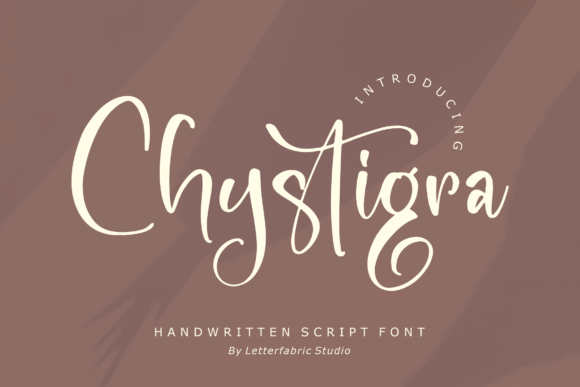
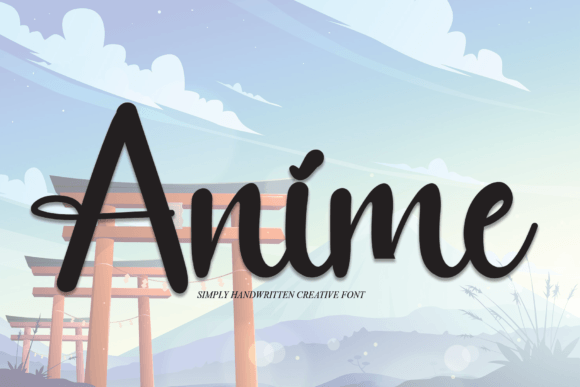
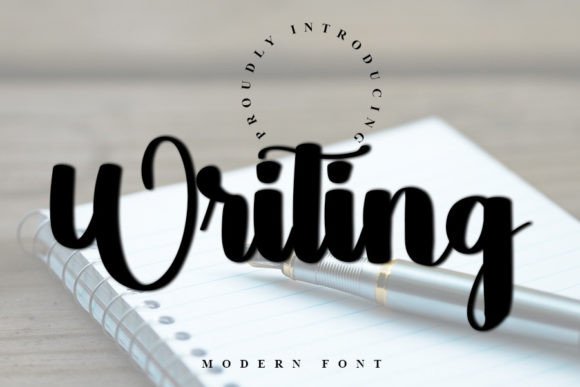
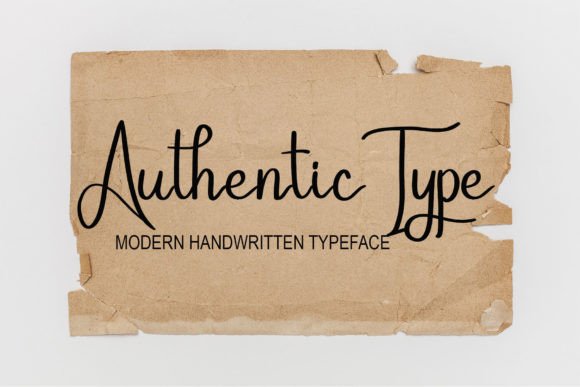
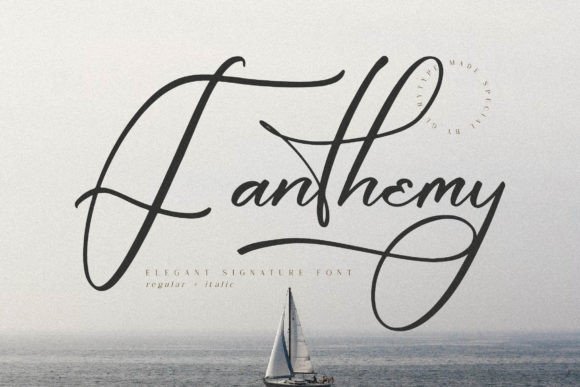
Fanthemy is a unique, stylized form of handwritten typography that has gained popularity for its elegance and charm. It mimics the look of natural handwriting but with a refined and consistent aesthetic. This style is often used to add a personal and artistic touch to various design elements, making it a favorite among designers, artists, and creatives.
The appeal of Fanthemy lies in its ability to blend tradition with modernity. In an age dominated by digital fonts and automated text, Fanthemy brings back the warmth and individuality of handwritten script. Whether you're designing wedding invitations or creating logos, this style adds a level of sophistication that mass-produced fonts simply cannot achieve.
The Origins and Evolution of Fanthemy
While Fanthemy may seem like a modern concept, its roots can be traced back to the art of calligraphy and cursive writing. Historically, handwritten scripts were the primary means of communication before the advent of printing technology. Each letter was unique, reflecting the writer's personality and skill.
With the rise of digital design tools, the demand for handwritten styles has only grown. Fanthemy emerged as a way to replicate the beauty of traditional handwriting using digital methods. Today, it's widely used in graphic design, branding, and even in everyday communication through social media and digital marketing.
Why Fanthemy Is So Popular in Design
- Personal Touch: Fanthemy gives designs a more personal feel, making them stand out from generic templates.
- Versatility: It can be adapted to various mediums, from print to digital formats.
- Timeless Appeal: The elegant and flowing nature of Fanthemy never goes out of style.
- Brand Identity: Many businesses use Fanthemy to create a unique brand identity that resonates with customers.
Where Fanthemy Shines: Practical Applications
Fanthemy is incredibly versatile and finds its place in numerous design applications. Here are some of the most common uses:
Wedding Invitations
Wedding invitations are one of the most popular uses of Fanthemy. The handwritten style adds a romantic and personal touch, making the event feel more special. Whether it's the main title or the guest details, Fanthemy elevates the overall design and creates a memorable first impression.
Thank You Cards
Expressing gratitude has never been more beautiful than with Fanthemy-inspired thank you cards. The elegance of the script makes the message feel more heartfelt and sincere. It’s a great way to show appreciation while maintaining a sense of style.
Greeting Cards
From birthday cards to holiday greetings, Fanthemy brings a sense of warmth and authenticity to any message. The fluid lines and gentle curves of the script make the words feel more personal and meaningful.
Logos and Branding
Many brands use Fanthemy in their logos to convey creativity, elegance, and approachability. It’s particularly effective for businesses in the fashion, lifestyle, and creative industries where aesthetics play a significant role.
Business Cards
In a world of digital networking, a well-designed business card can still make a lasting impression. Fanthemy adds a professional yet personal element to business cards, helping professionals stand out in a competitive market.
Fanthemy in the Digital Age
Despite being rooted in traditional handwriting, Fanthemy has found a new home in the digital realm. Design software and font libraries now offer a wide range of Fanthemy-style fonts that can be easily integrated into digital projects.
Designers can use tools like Adobe Illustrator, Photoshop, or Canva to incorporate Fanthemy into their work. These platforms allow for customization, ensuring that each design remains unique and tailored to the user's needs.
How to Use Fanthemy Effectively
- Choose the Right Font: Select a Fanthemy font that matches the tone and purpose of your design.
- Balance with Other Elements: Avoid overusing Fanthemy; pair it with clean, modern fonts for a balanced look.
- Consider Readability: While Fanthemy is elegant, ensure that the text remains legible, especially in smaller sizes.
- Experiment with Layout: Play around with spacing, alignment, and color to enhance the visual impact of your design.
Common Misconceptions About Fanthemy
There are several misconceptions about Fanthemy that might prevent people from exploring its potential. One common belief is that it's only suitable for formal or traditional designs. However, Fanthemy can be adapted to fit both casual and formal contexts, making it highly versatile.
Another misconception is that Fanthemy is difficult to use. In reality, many digital tools make it easy to incorporate Fanthemy into your designs. With a little practice, anyone can master the basics of using this style effectively.
The Future of Fanthemy in Design
As the design industry continues to evolve, Fanthemy is likely to remain a popular choice for those looking to add a personal and artistic touch to their work. Its combination of elegance, versatility, and emotional appeal ensures that it will continue to be relevant in both print and digital formats.
Moreover, as more people embrace the value of handmade and personalized experiences, Fanthemy is expected to gain even more traction. Whether it's for weddings, branding, or everyday communication, Fanthemy offers a timeless solution that bridges the gap between tradition and innovation.
Conclusion
Fanthemy is more than just a handwriting style—it's a powerful design tool that adds charm, elegance, and personality to any project. From wedding invitations to logos and business cards, its applications are vast and varied. As we continue to appreciate the beauty of handwritten expression in a digital world, Fanthemy will undoubtedly remain a beloved choice for designers and creators alike.