Sweet Daisy: A Versatile Script Font for Modern Design and Branding
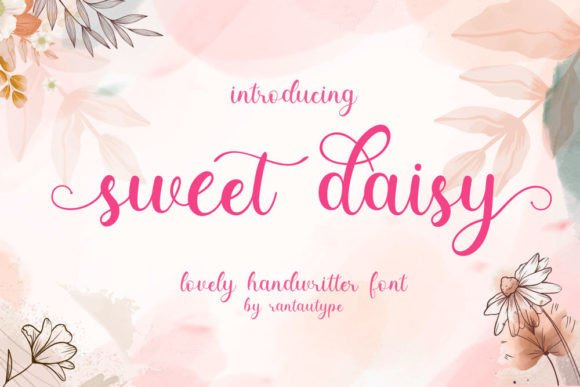
Sweet Daisy is a script font that blends elegance with practicality, offering a modern, feminine aesthetic that appeals to a wide range of creative professionals. Its clean lines and professional feel make it suitable for both personal and commercial projects. Whether you're designing a wedding invitation, crafting a business card, or creating a logo, Sweet Daisy provides the visual appeal needed to elevate your work. This font's versatility and ease of use make it an excellent choice for anyone looking to add a touch of sophistication to their designs.
Understanding the Features of Sweet Daisy
Sweet Daisy stands out due to its PUA (Private Use Area) encoding, which allows users to access all glyphs and swashes with ease. This feature is particularly useful for designers who need to customize text without relying on external tools or plugins. The font’s modern yet feminine style makes it ideal for a variety of design applications, from digital media to print.
The font’s structure ensures readability even in smaller sizes, making it suitable for use in logos, headers, and other design elements where clarity is essential. Its unique character shapes and subtle variations give it a distinctive look that can set your project apart from others.
Integrating Sweet Daisy into Your Design Workflow
When incorporating Sweet Daisy into your design workflow, it's important to consider how it interacts with other design elements. This font works well with sans-serif fonts for contrast, especially in layouts that require both legibility and style. For instance, pairing Sweet Daisy with a clean sans-serif font like Helvetica or Arial can create a balanced and visually appealing composition.
Before starting a project, ensure that Sweet Daisy is compatible with your design software. Most major graphic design tools such as Adobe Photoshop, Illustrator, and InDesign support PUA-encoded fonts. If you're using online design platforms like Canva or Figma, check if they have access to Sweet Daisy through their font libraries or if you need to upload it manually.
Using Sweet Daisy in Different Stages of a Project
Sweet Daisy can be used at various stages of a project. During the planning phase, it can help establish a visual identity that reflects the tone and purpose of your brand or event. For example, when designing a wedding invitation, using Sweet Daisy can convey a sense of romance and elegance right from the initial concept.
During the execution phase, Sweet Daisy can be used for creating mockups, prototypes, and final designs. Its versatility allows it to be used in different contexts, such as watermarks, signature logos, and album covers. When designing a business card, Sweet Daisy can add a personal touch that makes your brand more memorable.
After the project is completed, Sweet Daisy can still play a role in maintaining consistency across different materials. Whether it's updating your website, creating promotional materials, or designing social media graphics, using Sweet Daisy consistently helps reinforce your brand identity.
Practical Implementation Tips
To get the most out of Sweet Daisy, consider the following tips:
- Use it for headings and titles: Sweet Daisy is best suited for headings and titles rather than long blocks of text. This ensures that the font remains readable and maintains its visual impact.
- Experiment with spacing and kerning: Because Sweet Daisy is a script font, adjusting the spacing and kerning can enhance its appearance. Take time to fine-tune these settings to achieve the desired effect.
- Pair it with complementary fonts: As mentioned earlier, combining Sweet Daisy with a contrasting font can create a more dynamic layout. Experiment with different combinations to find what works best for your project.
- Test it across different mediums: Before finalizing a design, test Sweet Daisy on different mediums such as print, digital displays, and mobile screens. This helps ensure that the font looks good in all formats.
Ensuring Compatibility and Usability
One of the key advantages of Sweet Daisy is its compatibility with various design tools and platforms. However, it's important to verify that the font is properly installed on your system and that all necessary glyphs are accessible. If you encounter any issues with missing characters or incorrect rendering, double-check the font file and ensure that it's not corrupted.
For web-based projects, consider embedding Sweet Daisy using web font services like Google Fonts or Typekit. These services provide easy access to a wide range of fonts and ensure that they display correctly across different browsers and devices.
Long-Term Use and Quality Control
When using Sweet Daisy for long-term projects, it's important to maintain consistency in its application. Establishing a style guide that includes specific guidelines for using Sweet Daisy can help ensure that your designs remain cohesive over time. This is especially important for brands that use the font across multiple platforms and materials.
Quality control is another important aspect of using Sweet Daisy. Regularly review your designs to ensure that the font is being used appropriately and that it aligns with your overall brand identity. This helps prevent inconsistencies and ensures that your work maintains a high standard of quality.
Conclusion
Sweet Daisy is a versatile and elegant script font that offers a modern, feminine aesthetic while maintaining a professional feel. Its PUA encoding and compatibility with various design tools make it an excellent choice for a wide range of creative projects. By integrating Sweet Daisy into your design workflow, you can enhance the visual appeal of your work and create a strong brand identity that resonates with your audience.
Whether you're a designer, marketer, educator, or entrepreneur, Sweet Daisy provides the flexibility and functionality needed to bring your ideas to life. With careful planning and implementation, you can use this font to create stunning designs that stand out and leave a lasting impression.