Cacophonia: A Handwritten Font with Distinctive Elegance for Creative Projects
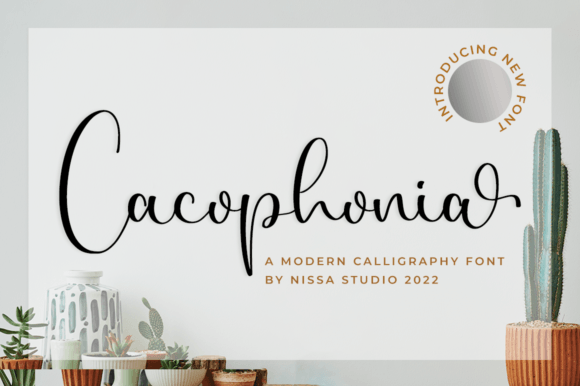
Cacophonia is a handwritten font that stands out for its unique blend of elegance and individuality. Designed to capture the organic feel of hand-lettering, it offers a visually appealing alternative to more traditional typefaces. Whether you're crafting wedding invitations, designing logos, or creating personalized greeting cards, Cacophonia provides a distinctive touch that can elevate your design work.
What Makes Cacophonia Unique?
Cacophonia is not just another font in a crowded market; it has several features that set it apart from similar options. One of its most notable characteristics is its PUA (Private Use Area) encoding, which allows users to access all glyphs and swashes easily. This feature makes it particularly useful for designers who want to incorporate intricate details without the need for complex software or additional plugins.
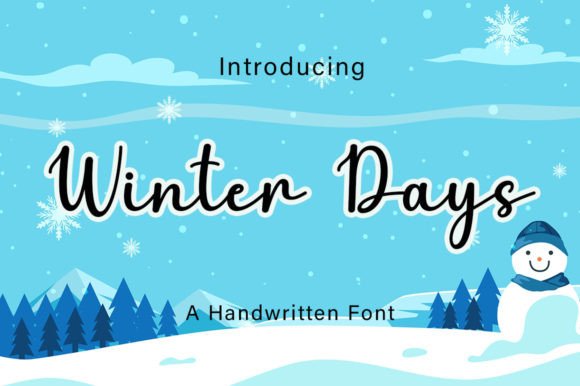
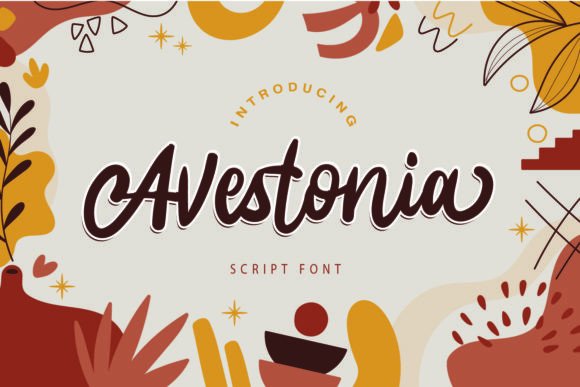
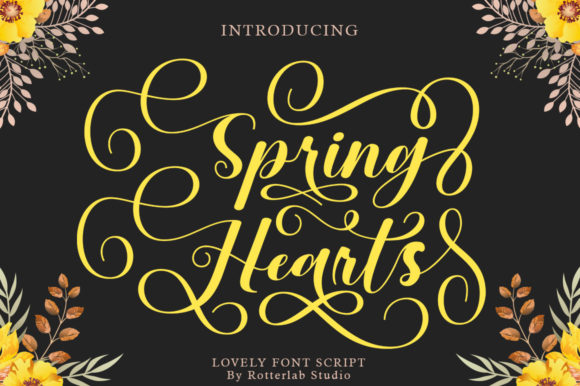
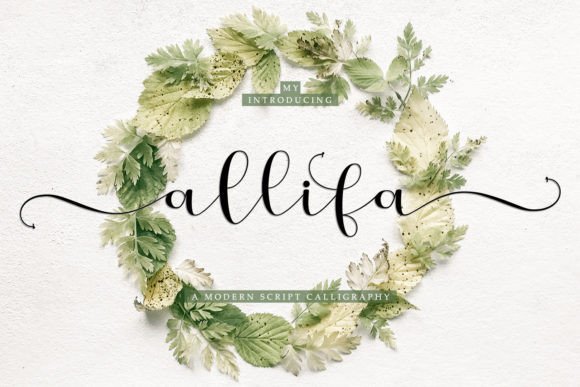
The font's elegant style is reminiscent of calligraphy, yet it maintains a level of readability that makes it suitable for various applications. The strokes are smooth and flowing, giving each letter a natural, almost artistic appearance. This balance between beauty and legibility is one of the key reasons why Cacophonia is well-suited for both decorative and functional use cases.
Comparing Cacophonia with Similar Fonts
When considering fonts like Cacophonia, it's important to understand how they compare with other handwritten styles. Fonts such as Brush Script MT or Lobster are also popular choices for creative projects, but they often lack the same level of customization and detail that Cacophonia offers. While these alternatives may be easier to find and use, they typically don't provide the same range of stylistic variations or the ease of accessing special characters through PUA encoding.
Another comparison point is the versatility of the font. Unlike some more stylized handwritten fonts that can be difficult to read in longer texts, Cacophonia maintains a good balance between aesthetics and functionality. This makes it an excellent choice for both short-form content, such as quotes or greetings, and longer pieces that require clarity, like thank you cards or business communications.
Strengths of Cacophonia
- Elegant Design: Cacophonia's aesthetic appeal makes it ideal for projects where visual impact is crucial.
- Customization Options: The PUA encoding allows for easy access to a wide array of glyphs and swashes, enhancing the font's flexibility.
- Readability: Despite its ornate style, Cacophonia remains highly legible, making it suitable for a variety of uses.
- Versatility: It works well across multiple platforms and media, including print and digital formats.
Potential Limitations
While Cacophonia has many strengths, it's also important to consider its limitations. For instance, the font may not be the best choice for large blocks of text where a more structured typeface would be preferable. Additionally, because it's a handwritten font, it may not be as widely supported on all devices or platforms compared to more standard fonts.
Designers should also keep in mind that the font's uniqueness might not be appropriate for every project. In situations where consistency and uniformity are essential, a more conventional font might be a better fit.
Best-Fit Situations for Cacophonia
Cacophonia shines in scenarios where a personalized and artistic approach is desired. Here are some common use cases where this font excels:
- Wedding Invitations: The elegant and romantic feel of Cacophonia makes it perfect for creating beautiful wedding invitations that stand out.
- Greeting Cards: Whether it's a birthday card or a holiday greeting, the font adds a personal touch that can make any message more heartfelt.
- Quotes and Sayings: The font's ornate style enhances the visual appeal of inspirational quotes, making them more engaging and memorable.
- Logos and Branding: Businesses looking to create a unique brand identity can benefit from using Cacophonia in their logos or marketing materials.
- Business Cards: A well-designed business card can leave a lasting impression, and Cacophonia helps achieve that with its distinctive look.
In each of these situations, Cacophonia provides a sense of sophistication and individuality that can help differentiate your work from others.
When to Consider Alternatives
While Cacophonia is an excellent choice for many design projects, there are instances where another font might be more appropriate. For example, if you're working on a website or app interface where readability is paramount, a sans-serif font like Arial or Helvetica could be a better option. Similarly, if you're creating documents that will be viewed by a broad audience, a more standard font may be necessary to ensure universal legibility.
It's also worth noting that some design tools may not fully support the PUA encoding of Cacophonia, which could limit its usability in certain contexts. If compatibility is a concern, it's wise to test the font in your preferred platform before committing to it for a major project.
Ultimately, the decision to use Cacophonia depends on the specific needs of your project. By understanding its strengths and limitations, you can make an informed choice that aligns with your design goals and requirements.