Avestonia: A Modern Calligraphy Font for Creative Projects
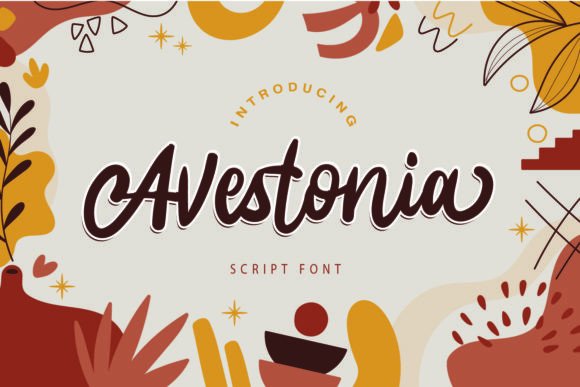
Avestonia is a modern script font with a calligraphy style that brings elegance and artistic flair to various design applications. Designed to mimic the fluidity and grace of hand-written lettering, this font offers a unique aesthetic that can elevate visual content. Whether used in invitations, greeting cards, branding materials, or posters, Avestonia provides a versatile and visually appealing option for designers and creatives.
As a PUA encoded font, Avestonia allows users easy access to all glyphs and swashes, making it a practical choice for those who need extended character support without the complexity of additional tools or software. This feature enhances usability and ensures that designers can explore creative possibilities with minimal effort.
Why Consider Avestonia?
There are several reasons why someone might be interested in using Avestonia. Its calligraphy style gives it a personal and artistic touch that stands out from more traditional sans-serif or serif fonts. This makes it ideal for projects where a sense of individuality and creativity is desired.
Additionally, the versatility of Avestonia means it can be applied across a wide range of media. From business cards to digital marketing materials, its adaptability ensures it remains relevant in different contexts. The font’s clean lines and elegant curves make it suitable for both formal and informal designs.
The PUA encoding also plays a significant role in its appeal. It enables users to access special characters and swashes directly through keyboard shortcuts, streamlining the design process and reducing the need for manual adjustments or external tools.
Benefits of Using Avestonia
One of the primary benefits of Avestonia is its ability to enhance the visual appeal of any project. Its calligraphy style adds a layer of sophistication that can make text stand out. This is particularly useful for branding materials, where first impressions are crucial.
Another benefit is the ease of use provided by its PUA encoding. Designers can quickly access and apply special characters without needing to navigate complex menus or install additional plugins. This efficiency can save time and streamline workflows, especially for those working on multiple projects simultaneously.
Moreover, Avestonia’s compatibility with a variety of design platforms ensures that it can be used seamlessly across different applications. Whether you're working in Adobe Illustrator, Photoshop, or even online design tools, the font maintains its quality and consistency.
Tradeoffs and Considerations
While Avestonia offers many advantages, there are also some considerations to keep in mind. One potential tradeoff is that its calligraphy style may not be suitable for all types of content. For example, in situations where readability is paramount—such as body text in long-form articles or technical documents—Avestonia may not be the best choice.
Additionally, while the PUA encoding simplifies access to special characters, it requires users to be familiar with how to utilize these features effectively. Those who are new to PUA-encoded fonts may need to invest time in learning how to navigate and apply the full range of glyphs available.
Another consideration is that Avestonia may not be the most cost-effective option for large-scale projects. Depending on the licensing model, using this font extensively could incur additional costs, especially if multiple licenses are required for team-based or commercial use.
Situations Where Avestonia Is a Strong Fit
Avestonia shines in scenarios where a creative and elegant typographic style is needed. It is particularly well-suited for invitations, greeting cards, and other forms of personal communication that benefit from a handwritten feel. Its aesthetic makes it an excellent choice for wedding invitations, birthday cards, or thank-you notes.
In the realm of branding, Avestonia can be used to create logos, slogans, or taglines that convey a sense of artistry and professionalism. It works well for businesses that want to establish a unique identity or communicate a message with visual impact.
For digital marketing, Avestonia can add a distinctive touch to social media posts, email campaigns, or promotional materials. Its style can help capture attention and leave a lasting impression on viewers.
When Alternatives May Be Worth Considering
While Avestonia has its strengths, there are situations where alternative fonts may be more appropriate. For instance, if a project requires high readability for extended text, a more legible font such as Arial or Helvetica might be a better choice.
Additionally, if budget constraints are a concern, free or open-source fonts with similar styles may offer a viable alternative. These options can provide comparable aesthetics without the associated costs.
Designers should also consider the target audience when selecting a font. If the intended audience prefers a more traditional or minimalist look, a simpler font may be more effective than Avestonia’s elaborate calligraphy style.
Practical Decision-Making Insights
When deciding whether to use Avestonia, it's important to evaluate the specific needs of the project. Consider factors such as the purpose of the design, the intended audience, and the overall aesthetic goals. Ask yourself whether the calligraphy style will enhance the message or distract from it.
Evaluate the practical aspects as well, including the font’s compatibility with your design tools and the availability of necessary glyphs. Ensure that the font aligns with your workflow and doesn’t introduce unnecessary complexity.
Finally, compare Avestonia with other fonts that serve similar purposes. Look at their features, pricing, and user reviews to determine which option best meets your requirements. This comparison can help ensure that your choice is both aesthetically pleasing and functionally sound.
By carefully considering these factors, you can determine whether Avestonia is the right fit for your project and make an informed decision that supports your creative goals.