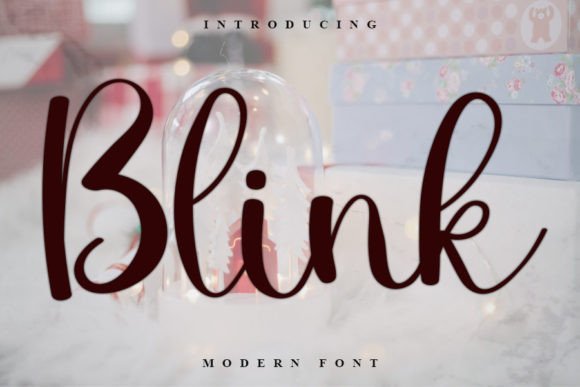
Blink: A Handwritten Touch in a Digital World
Blink is more than just a font; it's a bridge between the digital and the personal. Designed with elegance and charm, Blink captures the essence of handwritten text while maintaining the precision and clarity of digital typography. Whether you're creating wedding invitations, thank you cards, or business logos, Blink brings a warm, authentic feel to any design that needs a personal touch.
What Is Blink?
Blink is a stylized typeface that mimics the look of handwriting but with the consistency and readability of a well-crafted font. It features soft curves, subtle variations in stroke weight, and an overall organic flow that makes it stand out from standard sans-serif or serif fonts. This unique blend of natural and digital elements allows Blink to be versatile enough for both formal and casual use.
Why Choose Blink?
Blink offers a refreshing alternative to the uniformity of most digital fonts. Its handwritten appearance gives it a sense of intimacy and sincerity that can't be replicated by machine-generated text. This makes it ideal for projects where authenticity and emotional connection are key.
Where Can You Use Blink?
Blink's versatility means it can be used across a wide range of applications. From personal projects to professional branding, here are some common scenarios where Blink shines:
- Wedding Invitations: Blink adds a romantic and personalized feel to wedding invites, making them feel more like a heartfelt letter than a printed card.
- Thank You Cards: Expressing gratitude becomes more meaningful when written in a font that feels handcrafted and sincere.
- Greeting Cards: Whether it's a birthday, holiday, or just because, Blink brings warmth and character to any message.
- Logos and Branding: For businesses looking to convey a friendly, approachable image, Blink can be a great choice for logos, taglines, or brand elements.
- Business Cards: Stand out from the crowd with a business card that feels personal and memorable.
- Quotes and Motivational Content: Blink enhances the visual appeal of quotes, making them more engaging and shareable on social media or print materials.
Real-World Applications of Blink
Consider a small bakery owner who wants to create a unique brand identity. Using Blink for their logo and packaging designs helps them stand out in a competitive market. The font conveys a sense of warmth and home-cooked care, which resonates with customers looking for something special.
Another example is a blogger who wants to make their website more visually appealing. By using Blink for headings or featured quotes, they add a personal flair that connects with readers on a more emotional level. This subtle detail can significantly enhance user engagement and loyalty.
For educators, Blink can be a useful tool in creating visually engaging learning materials. Whether it's handouts, presentations, or classroom signage, Blink adds a human element that can help students feel more connected to the content.
Who Benefits from Blink?
Blink appeals to a diverse audience, including creators, entrepreneurs, marketers, bloggers, educators, freelancers, publishers, hobbyists, and small business owners. Each of these groups can find unique ways to incorporate Blink into their work:
- Entrepreneurs: Use Blink for branding materials to build a more personable image.
- Marketers: Create eye-catching social media posts or email campaigns with a handwritten feel.
- Bloggers: Enhance the aesthetic of their blog with Blink for headlines or call-out sections.
- Educators: Design more engaging lesson plans or classroom visuals that resonate with students.
- Freelancers: Add a personal touch to proposals, invoices, or client communications.
Things to Consider Before Using Blink
While Blink is highly versatile, there are a few factors to keep in mind before incorporating it into your projects:
Legibility: Although Blink has a charming, handwritten look, it’s important to ensure that it remains legible, especially in smaller sizes or low-resolution displays. Avoid using it for body text where readability is crucial.
Consistency: Since Blink mimics handwriting, it may not be suitable for long blocks of text. Use it sparingly to maintain a clean and professional look.
Context: Consider the context in which you're using Blink. While it works well for creative and personal projects, it might not be the best fit for formal or technical documents where a more traditional font would be appropriate.
License: Always check the licensing terms for Blink to ensure that you’re allowed to use it in the way you intend. Some fonts have restrictions on commercial use or require attribution.
Getting Started with Blink
If you're ready to try Blink, start by exploring its different weights and styles to see how it fits your project. Experiment with combining it with other fonts to create contrast and visual interest. Most design software, such as Adobe Photoshop, Illustrator, or Canva, supports custom fonts like Blink, so you can easily integrate it into your workflow.
For those who prefer a more hands-on approach, consider practicing with Blink in a sketchbook or digital drawing tool to get a better sense of its style and how it can be adapted for various uses.
Whether you're designing a greeting card, creating a brand identity, or enhancing a presentation, Blink offers a unique way to bring personality and emotion into your work. With its elegant and charming design, it’s no wonder that Blink has become a favorite among designers and creatives looking to add a handwritten touch to their projects.